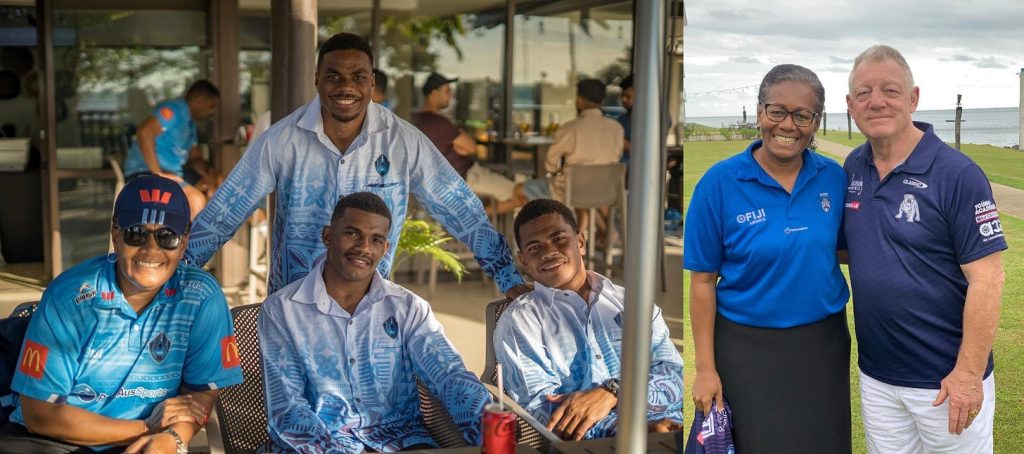
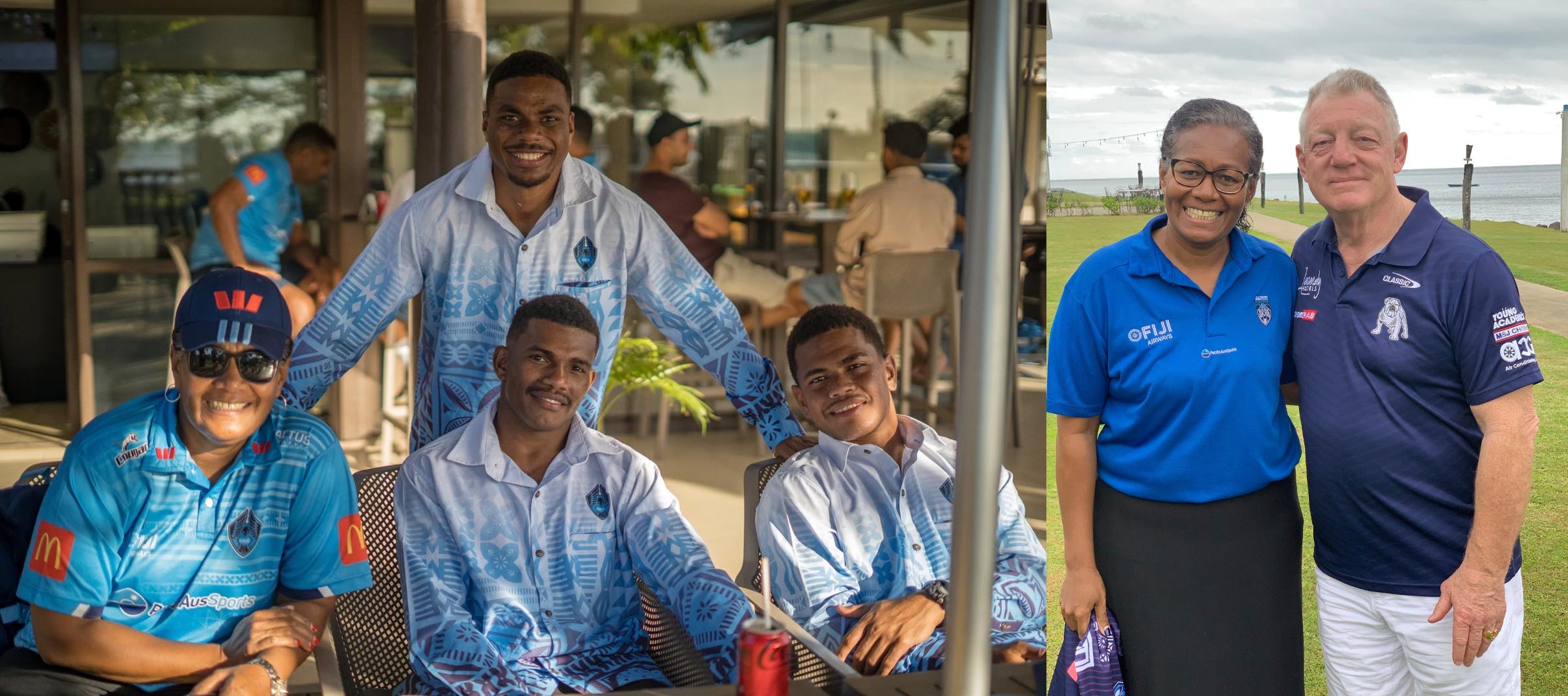
The emotional engine room of the club is a woman the players call Madam Onny Tuinanuya joined the Silktails in late 2023. She has worked in different areas of the club – admin, general manager and, after a spell away through illness, she returned as welfare and relationship manager..
Onny Tuinanuya joined the Silktails in late 2023. She has worked in different areas of the club – admin, general manager and, after a spell away through illness, she returned as welfare and relationship manager.
Her brief, loosely, is everything that happens to a young footy player when the football stops.
“Fiji is going through a kind of crisis,” she says.
“Most of these young people have been raised by grandparents, aunties, uncles. They come from broken families – parents separated, or gone overseas for work. The Silktails is something that can change their life.”
Her tools are not tactical. She runs Bible study. She life-coaches. She challenges the boys’ thinking and, on the bad days, talks them off the homesick ledge of wanting to go home.
Seventy per cent of the squad are brand new recruits and she recalls one homesick player who approached her, ashamed at their string of losses.
“He said, ‘Madam Onny, I’ve never been in a team that always loses. I just want to go home,’” she explains.
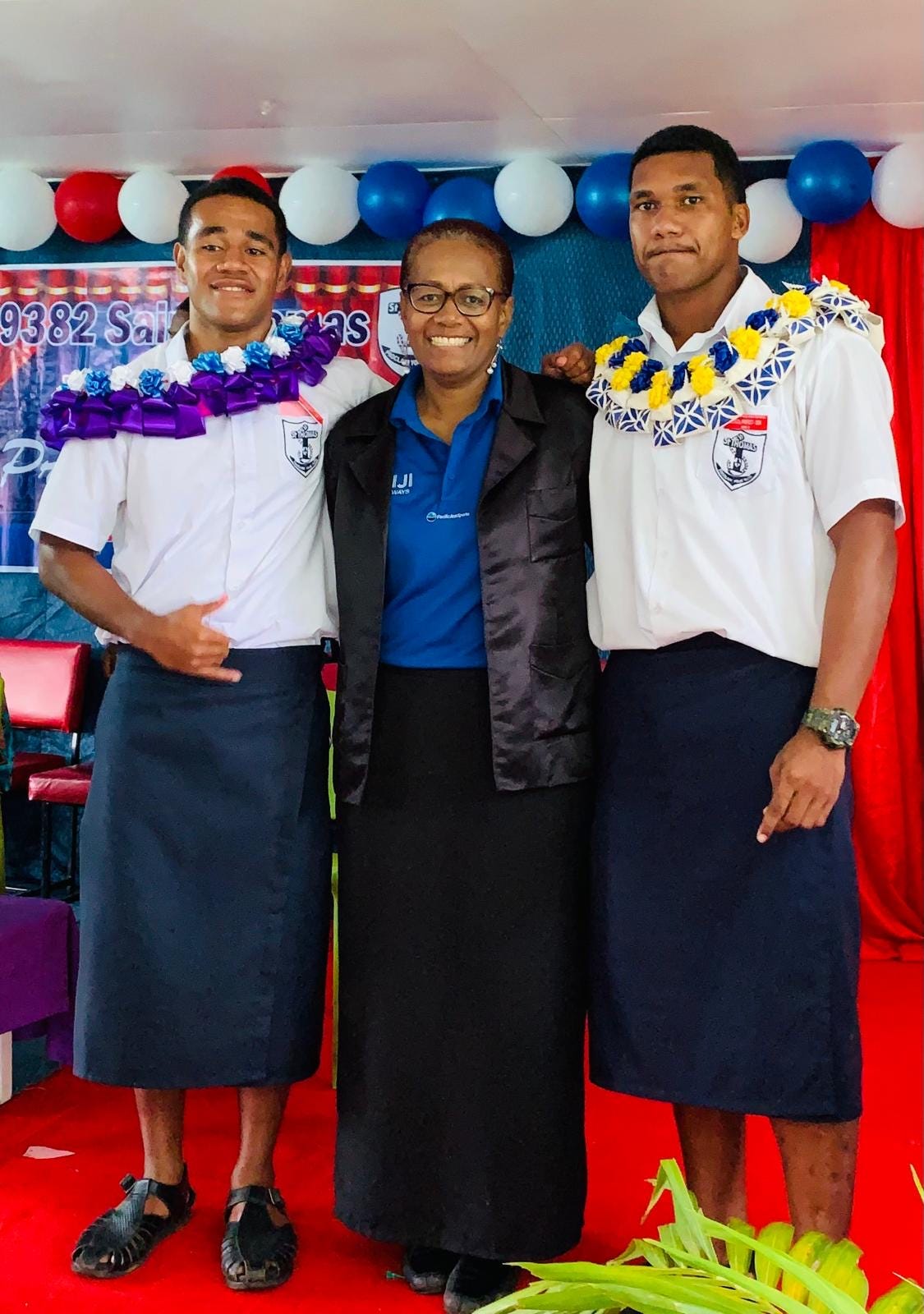
“I told him, me neither. But in my first year with the Silktails we never won a single game – all twenty-six rounds, nothing. And the boys still came back every Monday, put their boots on, and trained.”
She asked him what he’d learned since joining. Everything, he admitted. His skills had improved, his body was stronger, his world had grown.
“So I said: if you go back now, to a rugby union that hardly gives you a game at this level, will you have a gym to train in for free? Someone caring about what you eat? Money in the bank? Think about what you’ve gained, and what happens if you leave.”
Two days later he sought her out. “It’s so much better here, Madam,” he reflected.
She tells another story, of boys whose entire ambition, when they arrived, was simply to fly on a plane.
“When they did fly on the plane during pre-season, I asked them: so, what’s your next goal now? And they just stared at me. They’d imagined that flying on a plane was something you might do in your thirties. They’re eighteen, nineteen, twenty, and they’ve already done it.”
If there is a single Silktails unique signature, it is the warm welcome to incoming teams for Jersey Flegg home games in Fiji.
Onny runs what she calls the “meet and greet team” – a few players and staff who go to Nadi airport to garland every visiting side with salusalu, the fresh-flower lei.
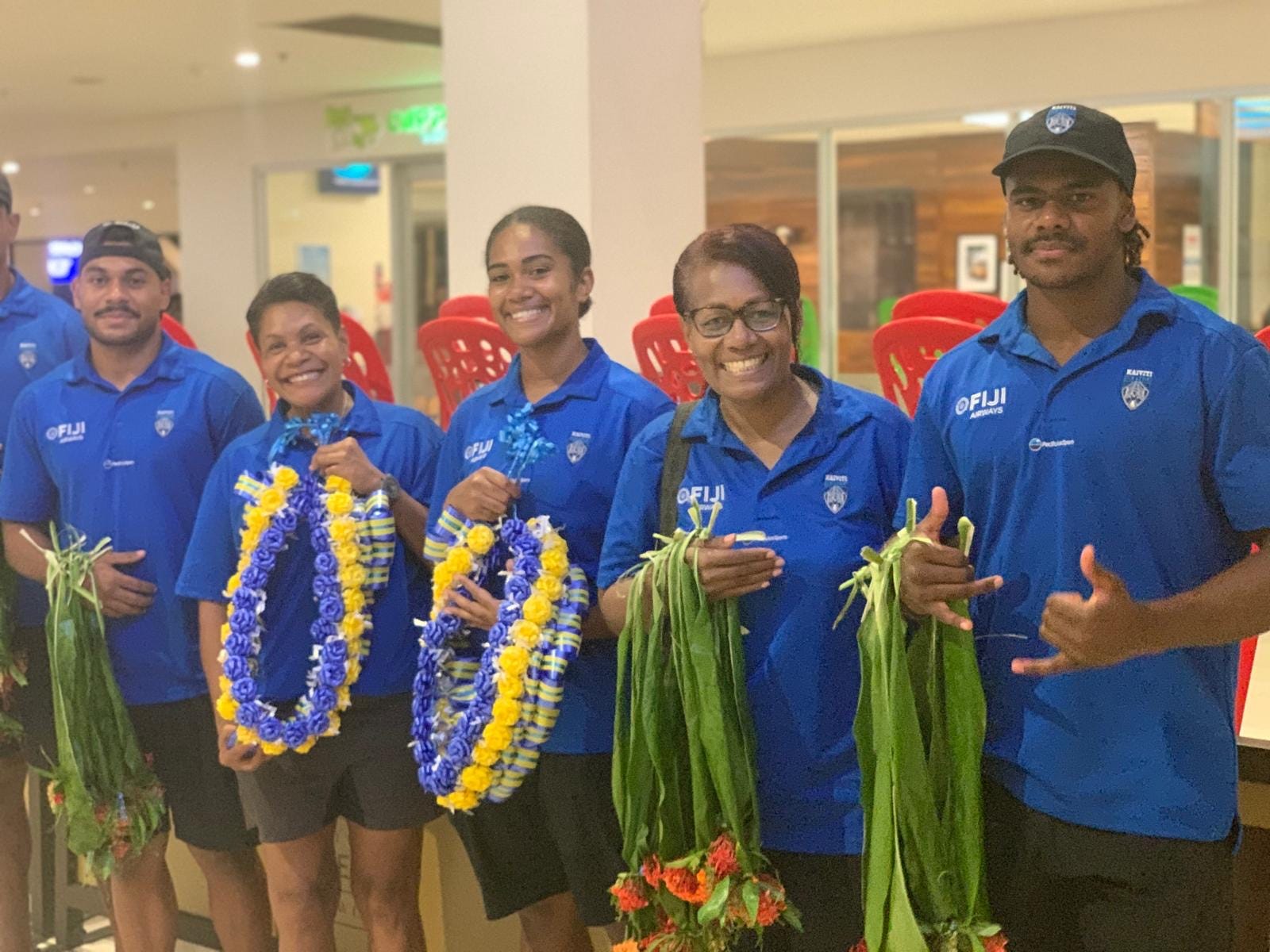
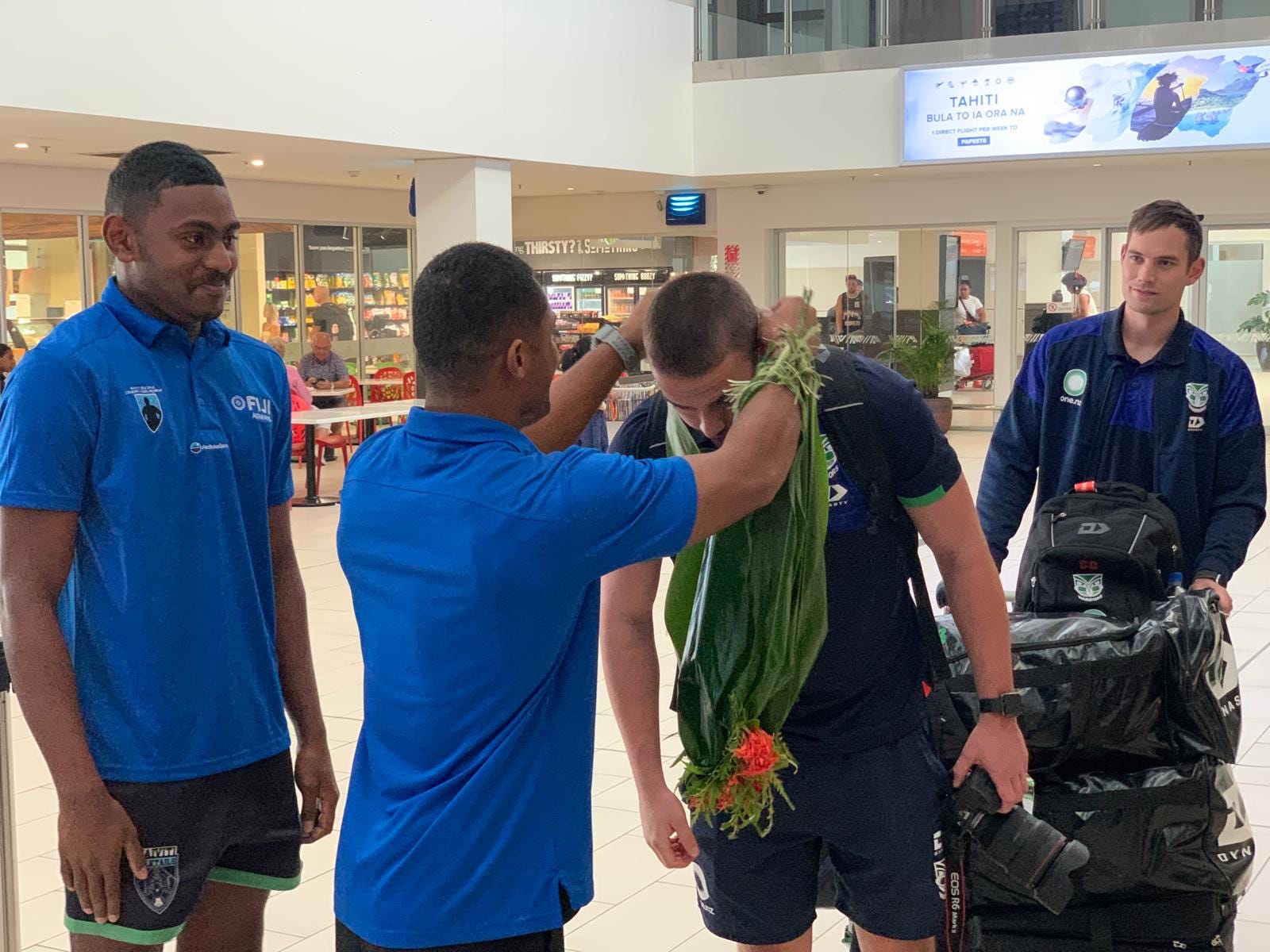
“We are very hospitable people,” she says of the embrace of opposition teams, itself a part of the concept of Veilomani, the Fijian foundational cultural value that emphasises love, care and treating strangers as family.
“Even though they’re our opposition, they’re visiting our home, and it’s our culture to welcome anyone who steps into it. We garland them, we ask how their trip was, we make sure they have everything they need.”
“Then they get to the ground, and that’s a different story.” She says with a smile.
Most Jersey Flegg clubs fly into Fiji on Friday, play Saturday, and fly out that night. But for the sides who pay for an extra night, the Silktails roll out something the cutthroat Jersey Flegg circuit has never seen.
When the Penrith Panthers stayed overnight, the players’ parents prepared a lovo – the earth-oven feast – hired a local band and brought their local favourite drink kava to share.
The two teams ate, drank and danced together by the water.
The Penrith Panthers Jersey Flegg side enjoying some Silktails hospitality.
“It was lovely,” Onny says. “We love to entertain our guests.”
This is the part that disarms hardened rugby league people: a sport built on tribal antagonism finds, in Fiji, something closer to love.
“Sport is sport,” Onny says.
“We play our hardest. But after that, you’re my mate. We play the same game, so you’re family. If we have one thing in common, you’re family.”
She is conscious that she is not just running a footy program but rebuilding something deeper – a cultural reconnection.
“Our culture is fading away,” she says.
“We’re using the sport to foster it back into these boys. I teach them to respect others, even when we don’t share the same skin colour or speak the same language.”
“We’re still human, and we still owe each other love. We’re building a culture for young Fijians – to embrace who they are and still transition well into the wider world.”
* * *
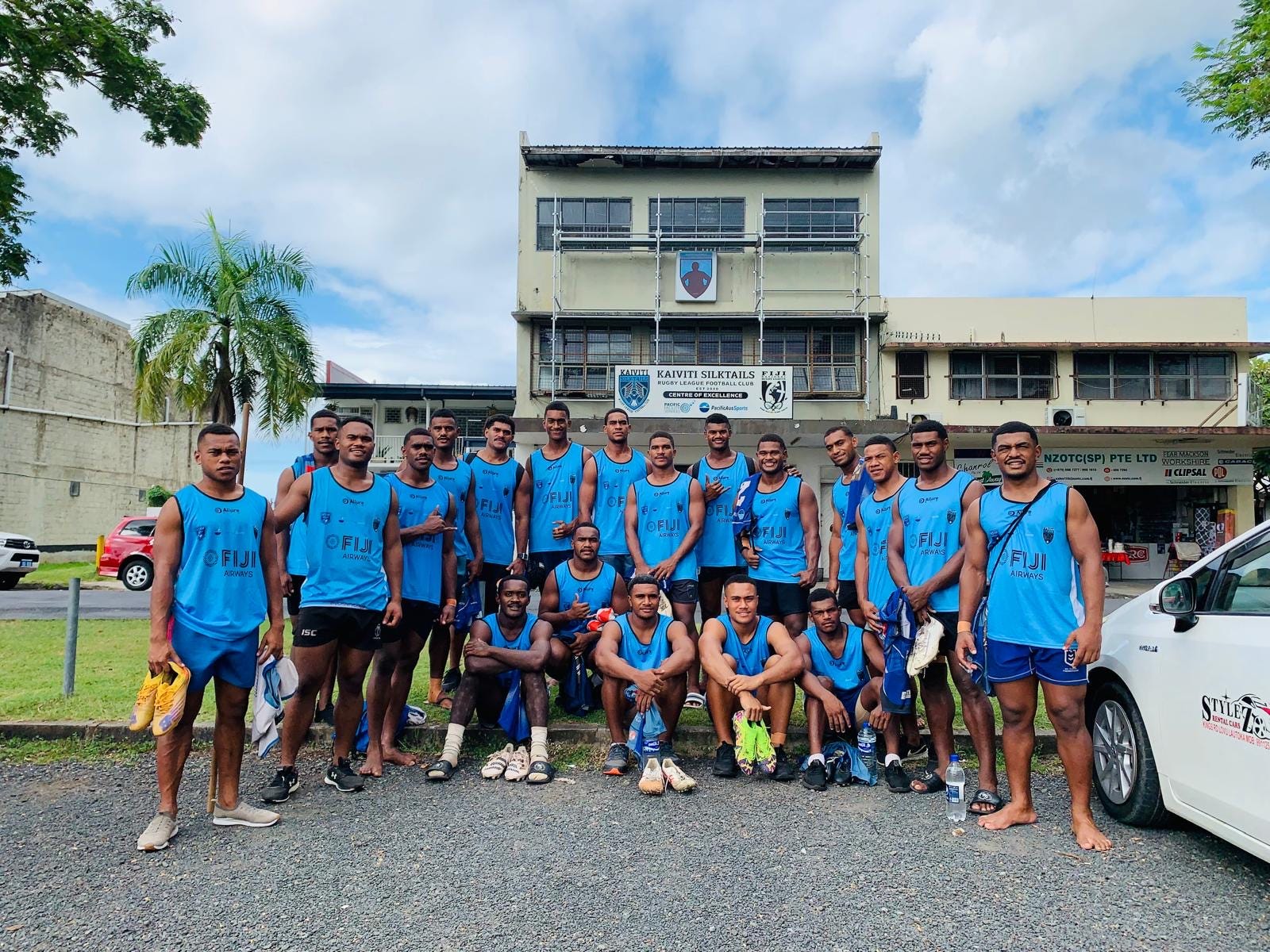
The part of the Silktails operation Australians never see sits back in Fiji, and it is most likely to catch people by surprise.
The Silktails now run ten academies across the Fijian islands. Gym-and-skills hubs offering players two days of weights and two days of skills a week.
Rather than a grand plan, the academy rollout occurred organically.
“They happened almost by accident,” Driscoll says.
The logistical challenges of getting village kids to one central venue forced the club to push high performance training opportunities out to where the players already were.
The first hub went into a Methodist school at Sigatoka on the Coral Coast during Covid lockdowns, when boys couldn’t leave their regions.
The club put in a gym; the school imposed its own “no gym, no school” rule and watched attendance hit one hundred per cent.
“The principal rang to thank us,” Driscoll says.
“And we thought – this is a really good thing. Let’s keep doing it.”
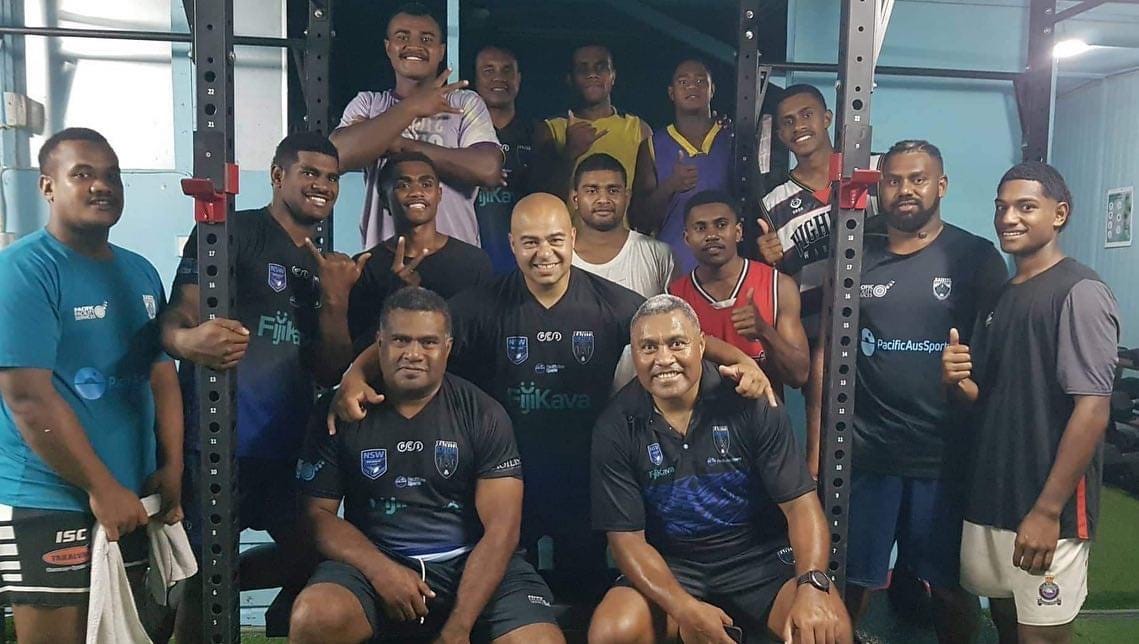
So they did. Every time the club upgraded its own equipment, the old gear went into another school. One batch of equipment landed at Ra High on the main island of Viti Levu, where it was the only gym in the entire region, servicing the school and a string of local clubs.
Ra High became a secondary-schools powerhouse, won the Deans U19s national trophy and began funnelling players into the Silktails.
The newest and grandest academy is rising now in Lautoka, Fiji’s second city, in partnership with the Lautoka City Council.
The Silktails are building a high-performance gym and locker rooms behind the goalposts of a training ground, on a long lease, with field and weight room side by side.
It is also a template that has attracted attention. The NRL, Driscoll says, is now looking to roll this academy model out across the Pacific, with the Silktails’ home-grown version as the pilot.
“It’s nice to be at the forefront,” he says.
“But honestly, the thing that makes you feel good is driving a hundred per cent school attendance. That’s the impact.”
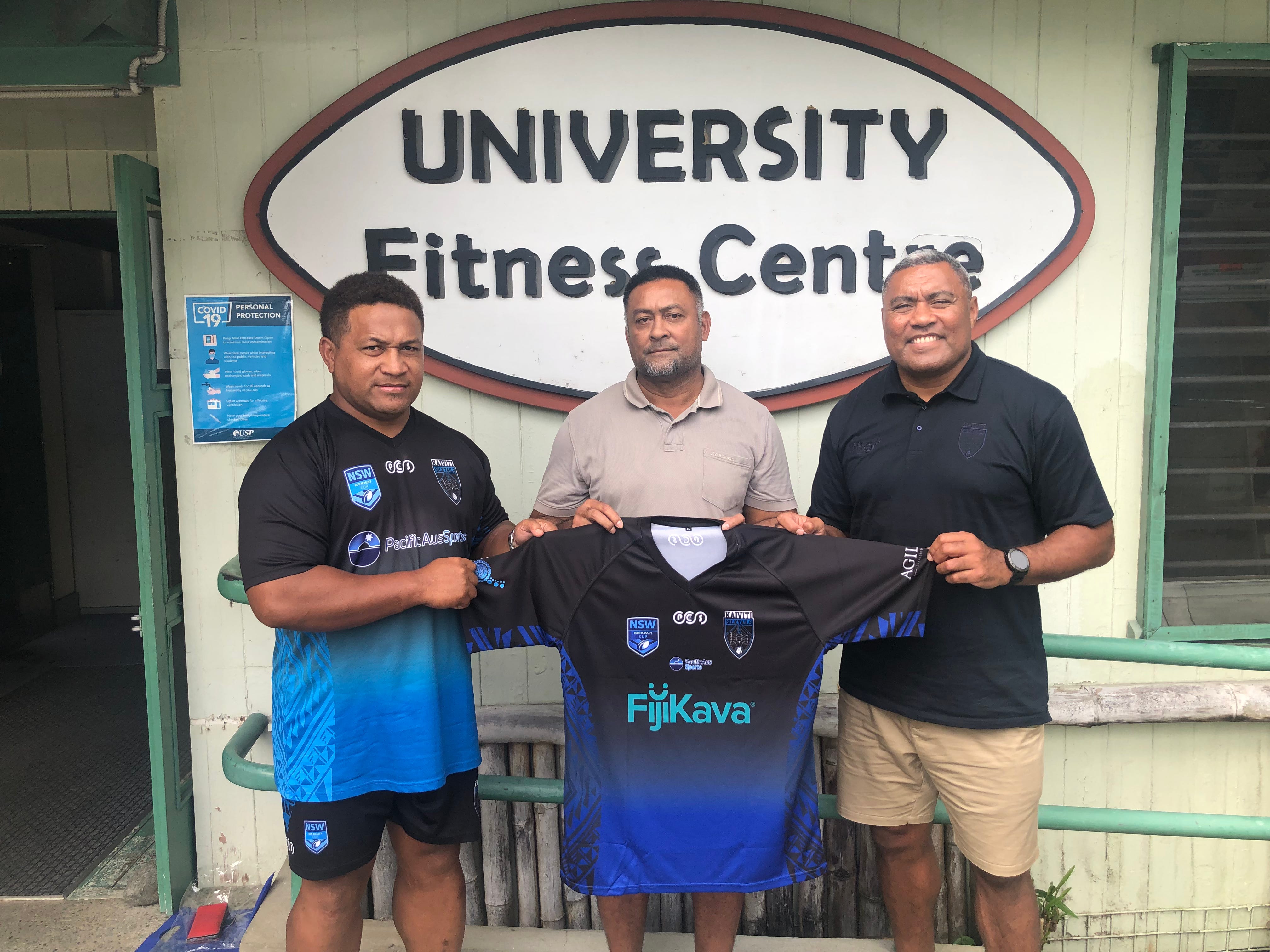
The Silktails off-field success has continued into the commercial side.
In May 2026, the club signed a three-year partnership with Westpac Pacific, who became their official banking partner and will deliver financial literacy to students through the Silktails’ ‘Catch Pass’ school program.
For Driscoll, the need was laid bare the day players arrived who had never owned a bank account.
“We had eighteen-year-olds come into the program who’d never had one,” he says.
“We don’t pay them in cash, the way it often happens in Fiji. We put it into an account. For a lot of these boys, that’s the first bank card they’ve ever held.”
Underpinning the whole enterprise is a crucial partnership with the Australian Government, through PacificAus Sports, strong support from the New South Wales Rugby League and a deepening alliance with the Canterbury-Bankstown Bulldogs.
The Bulldogs replaced the Roosters as the club’s NRL partner in 2025 and their logo now sits on the back of the Silktails jersey.
Phil Gould’s pathways machine, energised by the arrival of Fijian star Viliame Kikau at Belmore and the establishment of a Kikau Academy in Suva, has opened a direct line. Six Silktails graduates are already inside the Bulldogs’ system.
Gould, on his first visit to Fiji to sign the deal, walked out onto Albert Park in Suva and found four hundred people playing touch footy across the ground.
“He said he hadn’t seen that in Sydney for forty years,” Driscoll recalls.
“Whether they were holding a league ball or a union ball didn’t matter. They had a ball in hand, and they were on the field playing with joy.”
[Part 2 ends]
