by Skene In The Game (Jun 14, 2026)
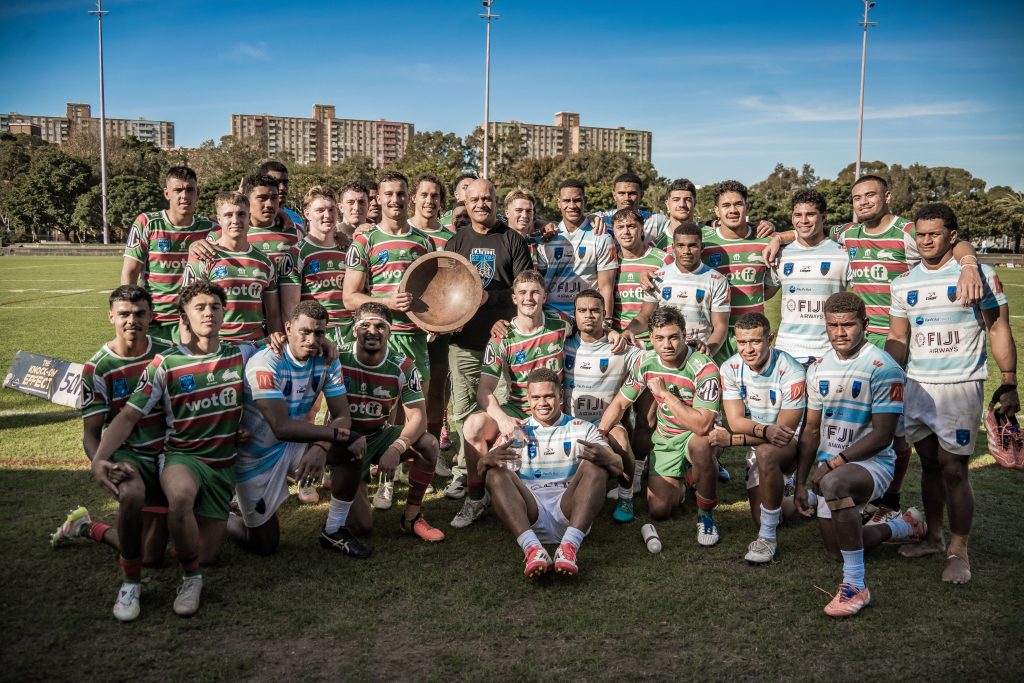
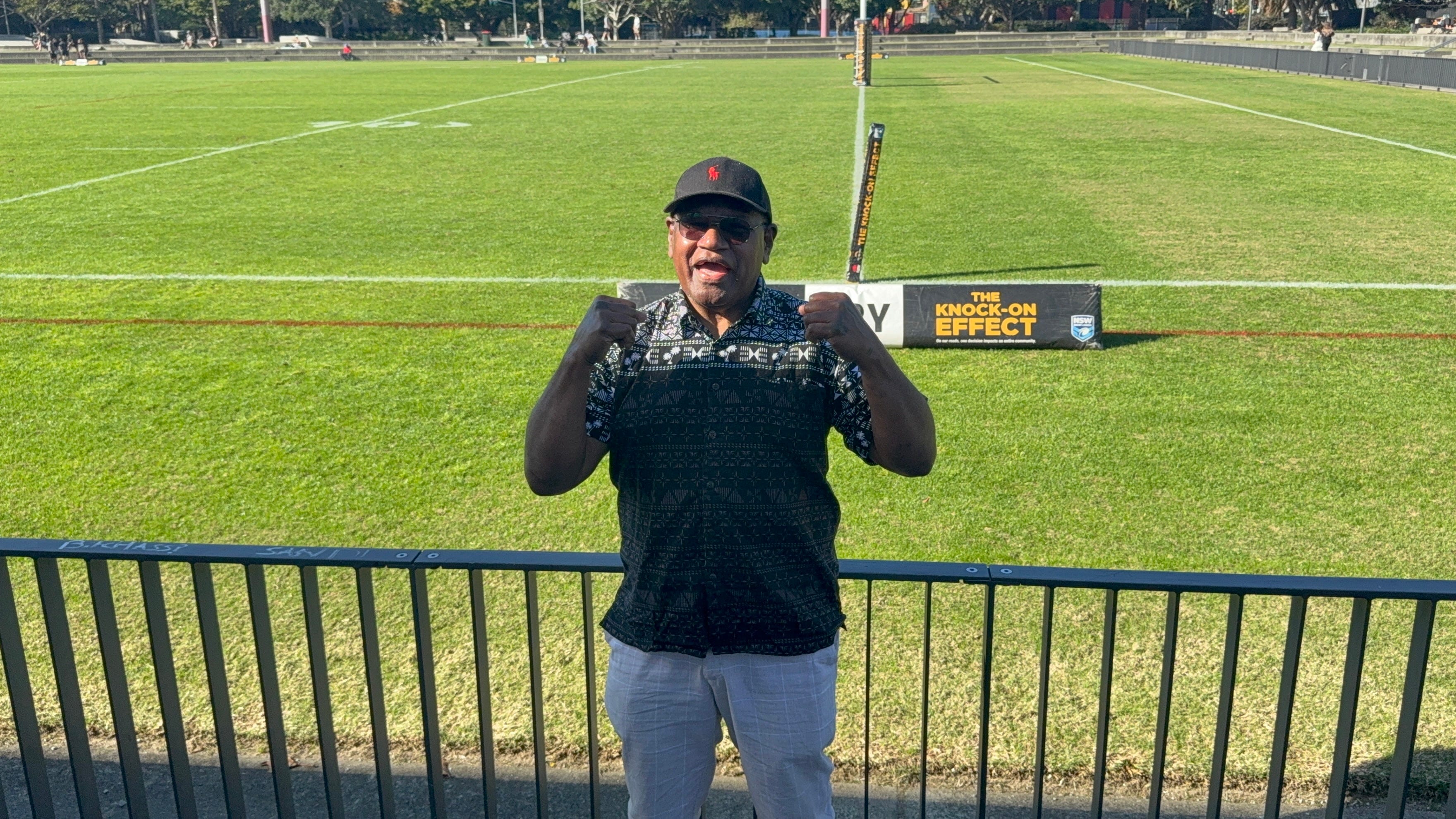
Leading a small but loud knot of Fijian supporters at Redfern Oval, Seru Rasaubale gets to every Sydney Silktails game he can.
He continually yells out “Toso, Toso (go forward)” and his head goes into his hands as a Silktails player drops the ball five metres out from the tryline.
His connection runs back to the club’s earlier days. The Silktails’ former coach, Wes Naiqama, once played in junior reps alongside his son Puna and he has appointed himself a kind of pastoral voice from the terraces.
He tells the players a hard truth wrapped in encouragement.
“I tell them: these boys you’re playing against, the Bulldogs or whoever, they’re smaller and skinnier than you. But they’re playing for money. If they play badly, they’re gone.”
“You boys are here because you’re village boys. This is your chance to prove yourself, so the big teams can see you. And then you can play for good money.”
What he loves is what the Silktails carry onto the field and leave there.
“Win or lose, they’re still up with the big clubs,” he says. “
“They bring Christ. Whatever happened on the field stays on the field. After that, we’re friends. We’re praying for them.”
And whilst the Silktails losses disappoint him, they are far outweighed by the fact that these players are growing.
“Losing isn’t about the score, it’s a learning process,” he says.
“To lose a game is not bad, because there’s always tomorrow. Tomorrow will come, you learn, and you change.”
* * *
The Singing Silktails went viral for their positive and grateful approach to being quarantined before their first season in 2021.
It is worth remembering how the rest of the world met this unique club.
In March 2021, mid-pandemic, the Silktails made the most of quarantine in a Sydney hotel by standing on thirty-five Juliet balconies and singing three gospel hymns to the staff and guards who had cared for them.
Millions of people watched online, many inspired by their joy in a dark time.
I was inspired to write about the quarantine and their first ever match in Australia for the Guardian – https://www.theguardian.com/sport/2021/mar/28/silktails-sang-from-balconies-for-hotel-and-for-australian-rugby-league
Against the backdrop of athletes elsewhere complaining about quarantine, a team of soldiers, policemen, teachers and labourers said thank you in harmony and a legend was born.
Days later they ran out for their first match on Australian soil and were soundly beaten 56-6 by the Western Suburbs powerhouse St Marys.
Then both teams formed a circle, arm in arm, for a post-match prayer and song – a first for the Ron Massey Cup.
Fiji has been feeding the NRL its athletes for decades including Apisai Toga and Manoa Thompson in the old days, Noa Nadruku, Petero Civoniceva, then Lote Tuqiri, Akuila Uate, Jarryd Hayne, Marika Koroibete, and now Viliame Kikau and Api Koroisau.
The scouting folklore is rich: a decade ago Brad Fittler and Andrew Johns spotted a hotel porter named Etonia Nabuli in a Fijian foyer, ran him through a park session, and Penrith signed him on a phone call.
“It’s a great breeding ground,” Fittler said at the time, “as long as you get them early.”
Get them early. It is the same sentence the Silktails repeat today, except the prospects are no longer waiting to be discovered in a hotel foyer.
* * *
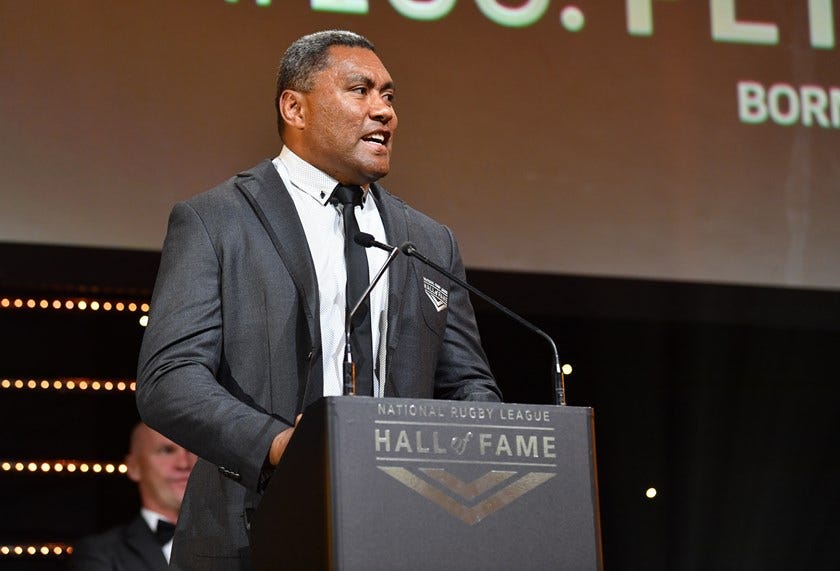
The morning after the loss against Souths, I reach out to the man whose name is on one of those memorial bowls.
Petero Civoniceva is a Fiji-born, Brisbane-raised prop who played 309 NRL games, 45 Tests for Australia, six for Fiji and 33 State of Origin matches for Queensland. He’s an official NRL Hall of Famer and one of the most respected front-rowers the game has produced.
There is even a Petero Civoniceva Medal, awarded each year to the best Australian-Fijian player in the game.
But this morning he isn’t talking about himself. He’s talking about a dream that started with a conversation back in 2014.
“It was just through conversations, hearing the stories of the local boys – the challenge of just trying to get noticed,” he says.
“It was really hard to do it in-country. So the talk was always, how do we create a pathway for our local boys in Fiji?”
“Wouldn’t it be cool to get a team of locals to play in an Australian competition and get noticed? Stevie Driscoll was driving that conversation from the start.”
He remembers a Silktails PowerPoint presentation doing the rounds in those early days, a concept passed hand to hand until it found people who believed in it.
“The dream never died,” he says.
“We just kept thinking about it, talking about it, building momentum. And then we bit the bullet.”
“It was all around funding, how do we make it happen but we found a way. That’s pretty much our story. We always find a way.”
The breakthrough moment, he says, came in the nation’s capital.
“Our first trip down to Canberra. The federal government, through their PacificAus Sports program, saw what we were trying to do, and suddenly Stevie and I were both on a plane to Canberra.”
“To be told this was something they could definitely see happening – that was a really surreal moment.”
From the beginning, two principles were non-negotiable.
The first was that the Silktails staff would be one hundred per cent Fijians – not just the players, but the coaches and football staff too.
“We’ve seen Fiji national teams with a very strong Australian influence,” he says.
“But this was about getting our local boys to a level where they could put themselves out there and sell themselves in a competition.
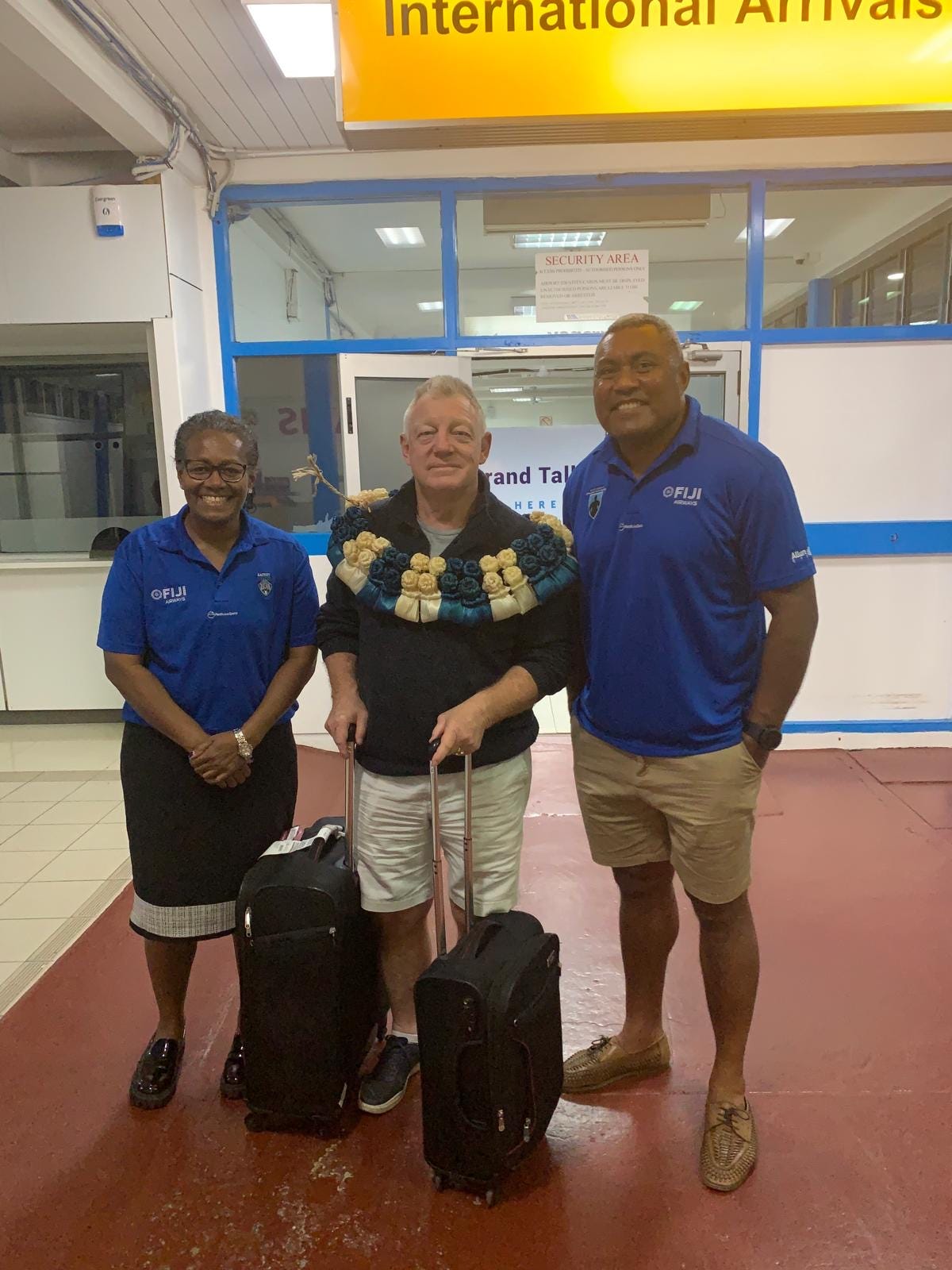
“And it wasn’t just the players. We needed local coaches and local footy staff, because that’s where you see real growth. We’ve got so many talented people in the islands who just need a chance to shine.”
The second principle was that the club would build better young men, not just better footballers.
“Playing at the highest level, the football is one thing. But the person away from the football is the most important thing,” he says.
“Your footy career is such a short time in your life. What it can do is mould you into a good human being. That’s a really, really important focus for us.”
It is why he is unbothered by a 42-0 scoreline, and why he frames the breakthrough win over the Raiders earlier this year not as a winning result but as proof.
“For our local boys to come up against these brands and teams they’ve only ever heard of, and think – ‘can we beat these guys?’ – and then do it. That’s proof we’re on the right path.”
“Now it’s about learning to be consistent, week in, week out. That’s what has to happen if we’re going to grow as a rugby league nation.”
The ten Silktails Fijian academies, he says, are the engine of that growth.
And the thing that keeps the program’s destiny in Fijian hands.
“The value of the program has to be on the ground, in-country,” he says.
“Having our own resources means we control our own destiny.”
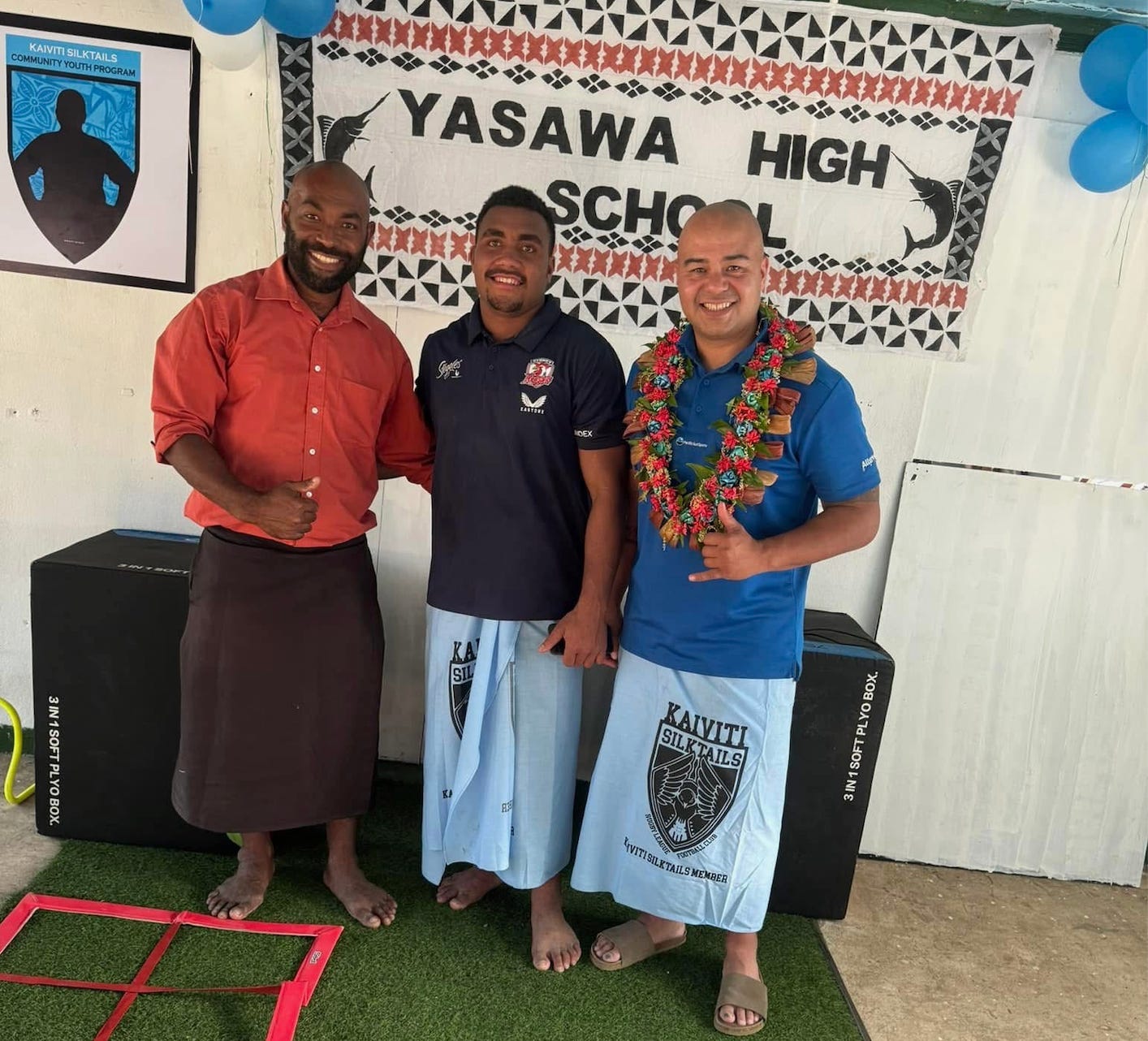
He is proud that the Silktails rugby league academies reach beyond the bigger cities of Nadi, Suva and Lautoka, out to the regions where a kid would otherwise have no way in.
“Here we are, about to start construction on our tenth hub, at Churchill Park in Lautoka. That’s such an exciting moment for our club.”
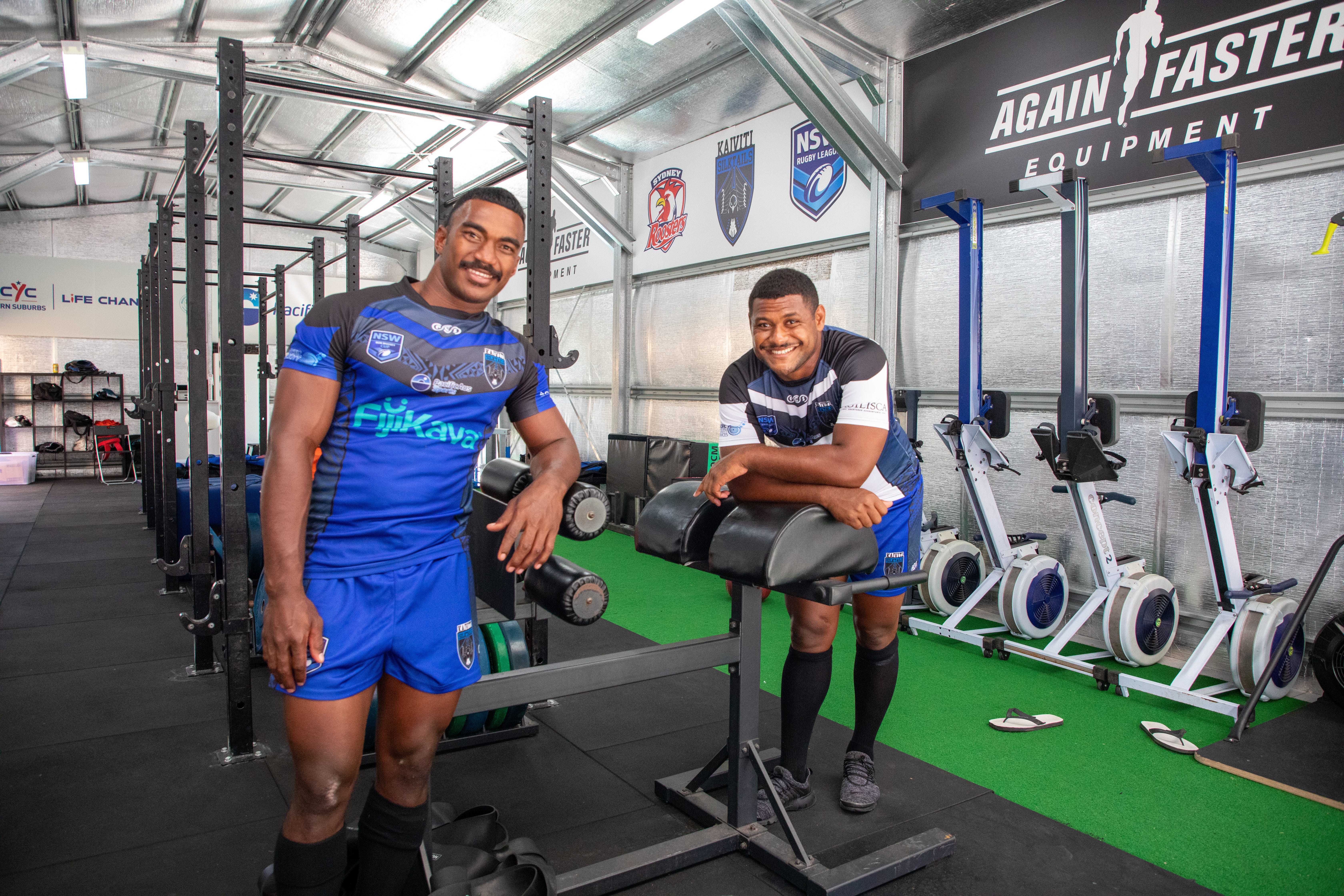
The ten academies in Fiji are complemented by a Centre of Excellence built at Daceyville in Sydney’s inner East during Covid19.
“Every time I see that facility,” says Petero.
“I’m reminded of how far we have come.”
The new Westpac partnership, he says, is a sign that others now see what he has always seen.
“When other people start to believe in what we’re doing – that’s the most special thing. And it’s a result of all the hard work Stevie and our staff put in, in-country.”
He can see the next steps clearly.
Harold Matthews and SG Ball teams to catch players at fifteen and sixteen, mature thenm into early adulthood, then, one day, a senior Fijian side in an Australian competition – the way the Fijian Drua have done in rugby union’s Super Rugby Pacific competition.
“That’d be amazing. But the foundation has to be built first. Five, ten years, realistically. You develop the youth pathways first, before you take that next step.”
And he knows what it would mean beyond the football.
“The greatest away game experience awaits NRL fans,” he says.
“Sports tourism, investment dollars, the chance to showcase Fiji to the sporting world in rugby league. It’ll be pretty cool.”
For Petero, as for Driscoll, it all comes back to one thing.
“Both of us were born in Fiji,” he says.
“Now, in our lives, we have the opportunity to give back to the country of our birth. That’s always been the central drive.”
Before he goes, he wants to make one thing clear – about the man sitting in the stands at Redfern Oval with the frown.
“Don’t underestimate the value of Stevie Driscoll,” he says.
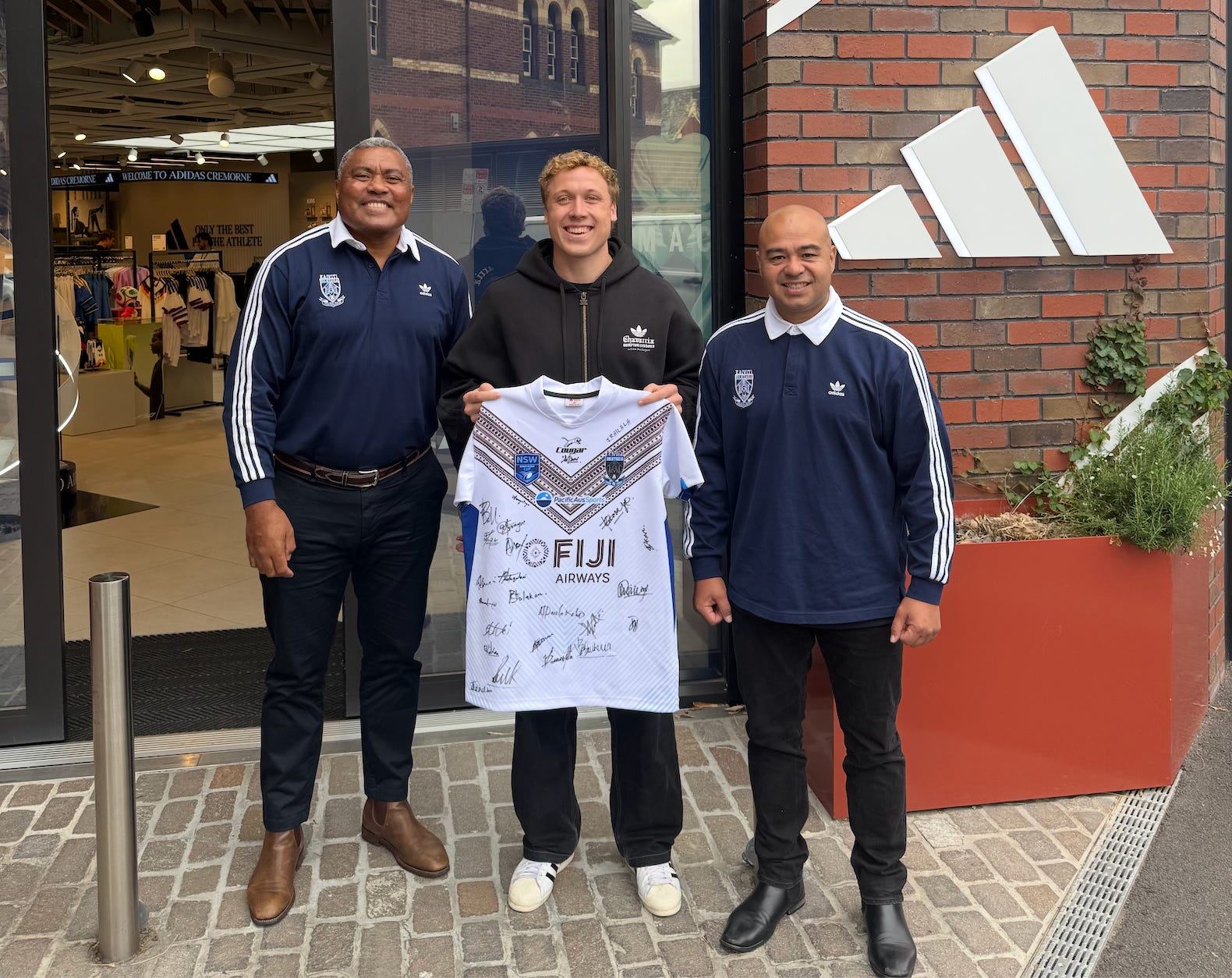
“His strength and conditioning work with NRL and Origin teams, his coaching, and as a businessman and a team sponsor – he gets it all. He understands the whole picture. That’s why we’ve been so successful, we’ve got him as a leader and we’ve got a board that puts the program and these kids first.”
“No Stevie,” he says. “No Silktails.”
[Part 4 ends]
